Hedge Trimming in Sanderstead

Hedge Trimming in Sanderstead should leave borders looking deliberate, healthy and neatly defined, whether the job is a simple seasonal tidy or a more careful reduction of overgrown growth. Our service focuses on shaping hedges with the right finish for the planting and the setting, from formal front boundaries that need crisp lines to softer mixed hedges that benefit from controlled thinning. We work with the hedge as a living feature, not just as a line to cut back.
In practical terms, that means cutting with attention to species, growth habit and desired height, so the result looks managed rather than hacked back. A hedge can be trimmed to preserve privacy, improve light, keep paths clear or restore a boundary that has become uneven. We can also help with related garden work where it is useful to combine tasks, especially if a hedge trim is part of a broader maintenance visit rather than a one-off cut.
If you need a straightforward quotation for hedge trimming, start by thinking about the hedge length, approximate height and whether you want a routine tidy or a heavier reduction. Clear instructions help, but you do not need a perfect plan before making contact. A brief description of the hedge and the result you want is usually enough to begin the conversation. Contact us today for a quotation.
Shaping, reduction and regular hedge care
Not every hedge needs the same approach. Some are best maintained with light, frequent trimming so they hold their shape through the growing season, while others need a more measured reduction after a period of unchecked growth. We consider where the hedge sits, how much of the current season’s growth should be removed, and whether the aim is a formal profile or a more natural boundary with softer edges.
Regular hedge care is often about consistency. Keeping the sides even, the top level and the base clear of stray shoots helps the planting stay tidy and prevents the hedge from becoming top-heavy or difficult to manage later. When a hedge has gone beyond its usual outline, the work can be done in stages if that produces a better finish for the plants and the garden layout.
What the trim can include
The exact work depends on the hedge itself, but a typical visit may involve careful cutting of sides and top, selective reduction where needed, and tidying the visible finish so the hedge sits neatly against paths, lawns or fences. In some cases, we may recommend leaving a little more growth than expected rather than stripping the plant too hard, especially when the hedge is young, thin or recovering from previous work. That conservative approach can support a better-looking result over time.
Access, timing and site preparation

Before any hedge trimming starts, it helps to understand access around the garden and what the work needs to achieve at the edges. If there is a narrow side passage, delicate planting underneath or limited space for cuttings, the trim may need a little more planning than a hedge that opens directly onto a lawn. We do not need a long briefing, but a practical description of the layout lets the work be approached in a tidy, controlled way.
There are also simple preparation points that can make the visit smoother. Moving garden furniture away from the hedge line, letting us know about hidden obstacles and saying whether you want clippings removed or left ready for your own disposal are all useful. A few photographs can help where the hedge is long or uneven, and they can be especially helpful if the hedge changes height along its run or joins other garden features.
Good timing matters too. Some hedges benefit from trimming at a particular point in the growing cycle, while others are best maintained more flexibly to suit appearance and access. If you are unsure how much should be removed, ask for a quotation and describe the finish you want; we can then discuss a sensible approach based on the hedge’s condition and the work involved. See pricing and quotes for more information.
Boundary hedges, privacy and street-facing fronts
Boundary hedges often need a finish that is both tidy and practical. Along front gardens or side boundaries, a clean line can make the property look cared for while keeping the hedge within a shape that does not spread into paths or sightlines. Trimming in these settings is usually about balance: enough growth retained to keep the hedge full, but enough reduction to stop it from looking untidy or pressed outward by wind and weather.
Privacy hedges can need a different approach from decorative ones. Where screening matters, the work is usually aimed at preserving density and avoiding gaps, so the hedge remains useful as well as presentable. A careful cut can remove the most vigorous new growth while maintaining the structure below, which is often a better long-term answer than a severe reduction that leaves bare patches or uneven coverage.
For more detail on the wider range of work we cover, our services overview gives a broader picture of the garden care and landscaping options available. If your hedge trimming is part of a larger garden refresh, it can also be sensible to think about the surrounding areas at the same time, rather than treating every element separately. That may save time in planning and help the whole garden read as one coherent space.
Careful trimming for healthy growth
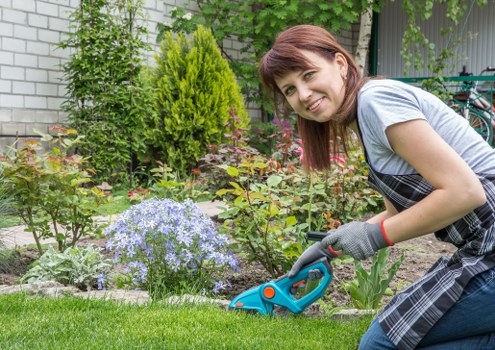
Hedges are living structures, so the cut needs to respect the plant rather than simply chase a line. Different species respond in different ways, and a sensible trim takes account of how quickly the hedge regenerates, where fresh growth appears and whether the plant benefits from light shaping or more definite reduction. We aim for work that supports a healthy outline as well as a smart appearance.
In many gardens, the best result is one that looks neat from the outside but still leaves enough leaf and twig structure for the hedge to recover properly. That may mean using a lighter touch on young hedges, or avoiding over-reduction where the plant is already sparse. If the hedge includes awkward corners, varying heights or sections that have outgrown the rest, those differences can be handled within the same visit so the final line feels consistent.
When a hedge needs more than a tidy-up
There are times when a hedge is not just overdue a trim but needs a more deliberate reduction to re-establish control. In those cases, the work may involve taking back the outer growth more substantially while still avoiding unnecessary stress to the hedge. The aim is not to force everything into a single perfect shape immediately, but to leave a better framework that can be maintained more easily afterwards.
Related garden work alongside hedge trimming
Hedge trimming is often part of a wider pattern of garden maintenance rather than a stand-alone task. If the hedge sits alongside lawn edges, beds, overgrown borders or access routes, it can make sense to think about the whole area together. That way, the hedge finish and the rest of the garden are not working against each other visually. If the trimmed hedge opens up other areas that also need attention, those choices can be discussed in the same enquiry.
We also provide other services that may support the same garden layout. Garden maintenance can suit properties that need routine seasonal care, while lawn mowing is useful where the grass and hedge edges need to be kept in step. If the garden has become cluttered or difficult to manage, garden clearance may be relevant before a hedge is brought back into shape. These services are distinct, but they can complement hedge work well.
Where a hedge is being trimmed as part of a broader update, it may also be useful to look at structural features and planting beyond the boundary line. Landscape gardening and landscaping are more involved options, but they can be relevant if the hedge is one element within a larger garden re-ordering. The right choice depends on whether the priority is maintenance, improvement or a combination of both.
About Sanderstead
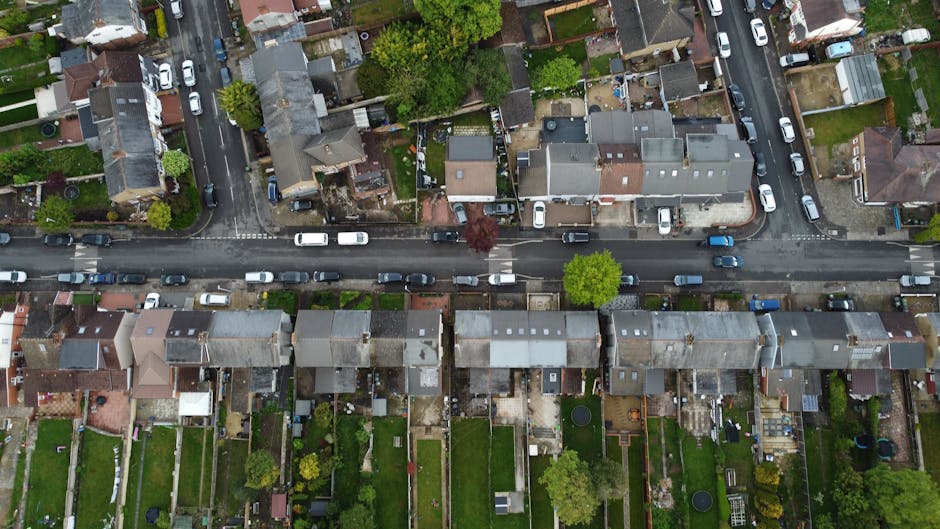
Sanderstead is a suburban area in the London Borough of Croydon, positioned on higher ground to the south of central Croydon and close to the edge of the North Downs. The area has a long settlement history and retains a village-like character in places, with a centre that includes older buildings alongside later suburban development. Its elevated setting gives some streets broad views and a noticeably different feel from the denser parts of inner Croydon. St Peter’s Church is one of the most recognisable historic landmarks, and the churchyard and surrounding lanes contribute to the older local character. Nearby green spaces and tree-lined roads also shape the area’s appearance, making open garden plots, mature planting and varied boundary treatments a familiar part of the landscape. Sanderstead Common is an important local open space, while the wider area connects to footpaths and wooded stretches associated with the local topography. Rail links and main roads connect the area to surrounding districts, but the neighbourhood still retains distinct residential pockets, from older houses to later estates. Like many parts of outer south London, it combines everyday suburban life with traces of older rural settlement patterns, which are still visible in its street layout, open spaces and surviving historic features. This mix of history, greenery and residential character gives Sanderstead a varied setting, where gardens, front boundaries and planted edges often sit within a notably mature streetscape.
Seasonal hedge work and keeping edges under control

Seasonal hedge work is usually about keeping pace with growth rather than waiting until the hedge becomes difficult to manage. Some hedges benefit from repeated light trimming, especially where neatness matters most, while others only need attention once or twice a year. A sensible approach keeps the shape balanced through the season and reduces the need for aggressive correction later. It also makes the hedge easier to maintain in a way that suits the garden’s overall look.
Trimming can also help prevent a hedge from pressing into paths, driveways, driveways’ edges or adjoining planting. When branches extend too far, they can create shade, interfere with access or make the hedge look heavier on one side than the other. Cutting back with awareness of the hedge’s natural line can restore proportion and make the border feel intentional again. This is especially important where the hedge forms a visual frame for the rest of the garden.
If you are preparing to request a quotation, it helps to note whether the hedge is all one height or includes dips, corners and mixed growth. A brief written description, a few photographs and a rough sense of the length involved can all be useful. From there, we can discuss the trimming required and agree the next step. Contact us for a quotation when you are ready.
Other services that can support the hedge line
Some hedge jobs run more smoothly when adjacent features are also considered. If a hedge sits beside a timber structure or boundary feature, decking services may be relevant elsewhere in the garden, especially where access or finishing touches are being improved at the same time. Where the hedge forms part of a larger planting scheme, the right mix of trimming and broader garden care can help the space feel properly resolved rather than half-finished.
In gardens with mature shrubs or trees close to the hedge, trimming can raise separate issues of clearance and shape. Where needed, tree lopping and removal may address overhanging branches that affect light or access, while hedge work keeps the boundary itself in order. These are different jobs, and they are considered on their own merits, but they can sometimes be planned alongside each other to support the same garden layout.
For customers who want to understand practical safeguards around the work, insurance and safety explains the approach taken to working carefully on site, and recycling and sustainability covers how green waste and cuttings are considered. If payment details or website policies are relevant before you book, you can also review payment and security and terms and conditions for further information.
Getting a clear quotation for hedge trimming

A good quotation starts with the basics: the hedge type, approximate size, access, and the finish you want. If you know whether the work is a tidy-up, a reduction or a more substantial reshaping, that helps us understand the likely scope. It is also useful to mention if clippings should be removed, whether the hedge is shared, and whether there are any restrictions around parking, access or nearby plants that need protecting during the work.
When a hedge has multiple sections, different heights or a mix of formal and informal shapes, the quotation can reflect those differences rather than treating the whole run as identical. That is often the fairest way to approach it, because hedge trimming is rarely one-size-fits-all. Accurate details lead to a more useful quote, and they also help make sure the work is planned around the shape and condition of the hedge rather than a generic expectation.
If you would like to move forward, send a short description and request a quotation in plain terms. You do not need to write a long explanation; the most useful information is usually the hedge itself, the garden layout and the result you are hoping to achieve. We can then help you decide whether a light trim, a reduction or a wider maintenance visit is the better fit.