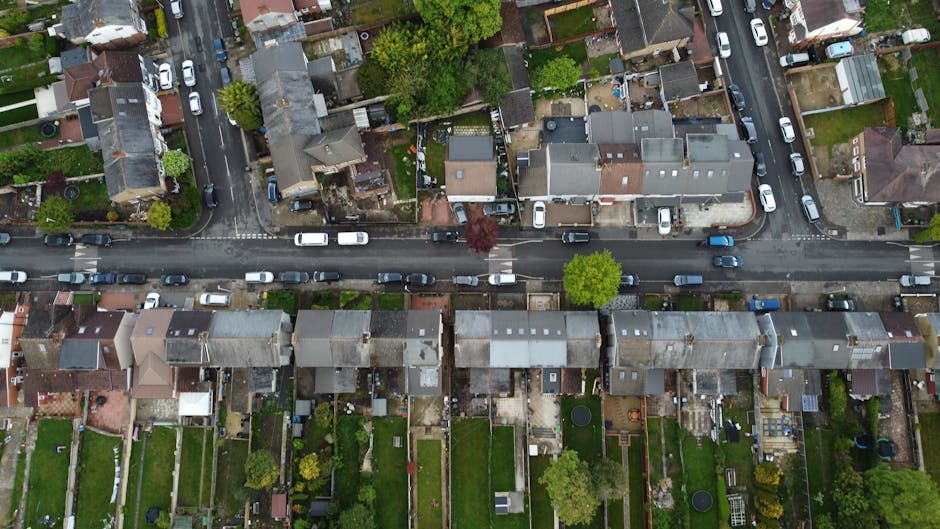
Best gardeners for Sanderstead Road properties near Croham Hurst
If you own a home on Sanderstead Road near Croham Hurst, you already know the garden can be a blessing and a bit of a beast. Mature trees, shaded borders, sloping lawns, awkward access, heavy clay in places, and the usual British weather all shape how the space behaves. That is exactly why choosing the best gardeners for Sanderstead Road properties near Croham Hurst matters so much. The right gardener will not just "tidy up"; they will understand local conditions, work with your property's layout, and keep the garden looking intentional rather than fought-over.
This guide breaks down what to look for, how professional garden care works, what good service looks like in practice, and how to avoid the common mistakes that cost time and money. If you are comparing services, planning regular maintenance, or simply trying to rescue a garden that has got away from you a bit, you will find something useful here.
Table of Contents
- Why Best gardeners for Sanderstead Road properties near Croham Hurst Matters
- How Best gardeners for Sanderstead Road properties near Croham Hurst Works
- Key Benefits and Practical Advantages
- Who This Is For and When It Makes Sense
- Step-by-Step Guidance
- Expert Tips for Better Results
- Common Mistakes to Avoid
- Tools, Resources and Recommendations
- Law, Compliance, Standards, or Best Practice
- Options, Methods, or Comparison Table
- Case Study or Real-World Example
- Practical Checklist
- Conclusion
- Frequently Asked Questions
Why Best gardeners for Sanderstead Road properties near Croham Hurst Matters
Gardens close to Croham Hurst often have a very particular feel: established planting, older boundaries, a mix of sun and shade, and a local character that changes from street to street. Sanderstead Road properties can vary too, from family homes with practical lawns to more decorative front gardens that need a neat, measured touch. That variation is exactly why a one-size-fits-all approach rarely works.
The best gardeners do more than cut grass and trim hedges. They read the garden. They notice where moss appears after rain, where a shrub is crowding a path, and where the soil drains slowly after a wet spell. Sounds simple, but honestly, that attention to detail makes the difference between a garden that merely survives and one that looks properly cared for.
For local homeowners, good gardening support also protects curb appeal and usability. A front garden that is tidy and balanced makes a house feel looked after. A back garden that is well maintained becomes a place you actually use, not just something you keep meaning to sort out one weekend. And let's face it, most of us do not want to spend Saturday afternoon wrestling a hedge trimmer when there are better things to do.
Local context matters too. Trees and shrubs near Croham Hurst can cast long shade, especially during spring and autumn when the light drops earlier. That affects lawn health, planting choices, and even how often paths become slippery with leaf fall. A gardener with real local awareness will plan around those conditions instead of pretending every garden behaves the same.
How Best gardeners for Sanderstead Road properties near Croham Hurst Works
Professional garden care usually starts with a simple assessment. A good gardener will walk the property, ask how you use the space, and notice what is thriving or struggling. They may also check access points, waste removal needs, any awkward slopes, and the amount of light different areas receive across the day.
From there, the work usually falls into one of three patterns:
- One-off tidy-up: best for overgrown gardens, post-winter recoveries, or a property refresh before sale or guests.
- Regular maintenance: ideal if you want the garden to stay under control through the seasons without major surprises.
- Project work: suitable for bigger changes such as border redesign, turf repair, hedge reshaping, or selective planting.
For homes around Sanderstead Road, maintenance often needs to balance appearance with practicality. A hedge may need to be cut to shape without removing all privacy. A lawn may need aeration rather than simply a tidy cut. A shaded border may need plants that cope with lower light rather than more watering, which is not always the answer people assume it is.
A reputable gardener should also explain the plan clearly. What is being done today, what can wait, and what may need a different season. That transparency is a good sign. It means they are thinking ahead, not just rushing through a checklist.
If you are comparing broader service options, pages like garden maintenance, hedge cutting, and lawn care can help you understand how the work is usually split up.
Key Benefits and Practical Advantages
The value of hiring a skilled local gardener is not just visual. Yes, the garden looks better, but the practical gains are often more useful in day-to-day life.
- Less ongoing stress: no more wondering when the hedge became a small forest.
- Healthier planting: pruning, feeding, mulching, and correct timing all help plants last longer.
- Better use of space: paths, patios, lawns, and beds feel more intentional and accessible.
- Reduced risk: tidy routes, managed growth, and prompt leaf clearance reduce slips and trip hazards.
- Stronger kerb appeal: important if you plan to sell, rent, or simply want the property to feel polished.
- Seasonal resilience: a properly maintained garden copes better with heat, rain, shade, and frost.
There is also a quieter benefit that people do not always mention. A good garden changes how a home feels from the inside. You open the back door and instead of seeing a job list, you see a place to sit with tea, hear birds in the hedge, maybe smell cut grass on a mild morning. Small thing, but it matters.
For properties near Croham Hurst, where mature surroundings can create both beauty and maintenance pressure, that balance is especially important. The best gardeners know how to keep the natural character without letting the space become untidy or overmanaged.
Who This Is For and When It Makes Sense
This kind of local gardening service makes sense for a surprisingly wide range of homeowners and landlords. Not every garden needs a big redesign. Sometimes it simply needs steady, competent care from someone who knows what they are looking at.
You may benefit from professional help if you:
- have a garden that has become overgrown after a busy season or a spell away
- want regular help but do not need a full landscaping project
- own a rental property and need the exterior kept presentable
- have a front garden that affects first impressions
- struggle with time, mobility, or the physical side of garden work
- are preparing to sell and want the outside to match the rest of the home
- need specialist support for hedges, borders, or lawn recovery
Sometimes the trigger is very ordinary. The grass is patchy. The hedge is blocking the light. The beds look tired. Or you notice one Saturday that the garden has gone from "a bit untidy" to "how did this happen?". That is usually the moment people start looking for help. Fair enough too.
It is also worth noting that not every gardener offers the same scope. Some focus on recurring maintenance, while others are better suited to one-off clearance or planting projects. If you need both, ask directly. Saves everyone time.
For seasonal support, you may also find guidance on spring garden clearance and autumn leaf clearance useful.
Step-by-Step Guidance
If you want the best possible result, it helps to approach the job in a sensible order. Good gardening is not just about effort; it is about sequence.
- Walk the garden properly. Look at the space in daylight, and if possible after rain. Notice shade, drainage, access, and areas that feel neglected.
- Decide what matters most. Are you after neatness, privacy, better planting, lawn recovery, or all three? Be honest. It makes the plan clearer.
- Separate urgent work from nice-to-have work. A dangerous overhang or blocked path comes before decorative pruning. Always.
- Ask for a clear scope. Good gardeners should tell you what is included, what materials are needed, and whether waste removal is part of the service.
- Agree the frequency. Some gardens on or near Sanderstead Road need fortnightly attention in peak growing months, while others are fine monthly with seasonal visits.
- Review after the first visit. Check whether the work matched the brief. Was the finish even? Were edges clean? Was the garden left tidy?
- Adjust for the season. Spring, summer, autumn, and winter all call for different priorities. A good gardener will say so without fuss.
One small but important tip: take a few photos before the first visit. Not for drama. Just for reference. It is easier to discuss what has changed when everyone can see the before-and-after clearly. Simple, but useful.
If you are planning wider improvements, it may also help to read about garden design ideas and planting plans for London gardens before making any bigger decisions.
Expert Tips for Better Results
To get the most from local gardening support, a few practical habits go a long way. Nothing fancy. Just the sort of detail that keeps a garden from slipping back into chaos two weeks later.
- Work with the garden's conditions, not against them. Shade-loving plants belong in shade. Moisture-loving plants need the right soil, not wishful thinking.
- Prune with purpose. Cutting back too hard can leave gaps, stress shrubs, or reduce flowering. A tidy shape is not the same as an over-cut plant.
- Keep borders edged. Clean edges make even a simple garden look better. It is one of those little things people notice without realising why.
- Mulch at the right time. Done properly, mulch helps retain moisture and suppress weeds. Done badly, it can sit awkwardly and do very little.
- Watch for drainage issues. If one corner stays soggy, it may need soil improvement, not more watering.
- Use local knowledge. Gardens near trees, mature hedges, and sheltered lanes often need more leaf management and selective planting.
Here is the thing: the best gardeners are often the ones who say "not yet" when a task is not the right one for the season. That restraint is usually a sign they know their trade.
Expert summary: The best results come from matching maintenance to the garden's conditions, setting a realistic schedule, and prioritising structure before decoration. A neat garden is good. A healthy, manageable garden is better.
Common Mistakes to Avoid
A lot of garden frustration comes from a few avoidable mistakes. They are common, especially in gardens that have been left to fend for themselves for a while.
- Choosing purely on price. The cheapest quote may miss waste removal, ongoing care, or the skill needed for delicate pruning.
- Ignoring local conditions. What works in a sunny new-build garden may fail in a shaded, established property near Croham Hurst.
- Over-pruning shrubs and hedges. Too much off the top can leave bare stems and an uneven finish that takes months to correct.
- Not checking what tools are used. A gardener should have the right tools for hedge cutting, lawn edging, and safe clearance.
- Skipping seasonal timing. Some jobs are best done in the right window. If you miss that, the garden can look worse, not better.
- Failing to define the brief. "Tidy it up" is too vague if you want a specific result.
Another common one? Expecting a single visit to solve everything. Sometimes it does, especially for a light tidy. But a tired garden often needs a first reset, then follow-up maintenance. Truth be told, that is normal.
It is also wise to avoid gardeners who cannot explain their approach in plain English. If they cannot tell you why they are cutting, feeding, or leaving something alone, that is a warning sign.
Tools, Resources and Recommendations
Good gardeners rely on more than enthusiasm. The right tools, materials, and planning make the work cleaner, safer, and more effective. You do not need to own all of this yourself, of course, but it helps to know what a well-equipped professional typically uses.
| Task | Useful tools or materials | Why it matters |
|---|---|---|
| Hedge cutting | Manual shears, hedge trimmer, eye protection, ladder or platform where appropriate | Helps shape evenly and reduces damage to branches |
| Lawn care | Mower, edging tool, rake, aerator, seed, top dressing | Supports a cleaner finish and healthier turf |
| Border maintenance | Secateurs, spade, fork, mulch, compost | Keeps plants tidy and improves soil condition |
| Leaf and waste clearance | Rakes, sacks, blower where suitable, secure disposal plan | Prevents slip hazards and keeps the space usable |
| Planting work | Quality compost, suitable plants, watering plan, mulch | Improves establishment and long-term success |
For homeowners, a few simple resources can help you stay organised between visits:
- a seasonal calendar for pruning and planting
- a quick photo record of what has been done
- a list of plants that consistently perform well in shade or semi-shade
- notes on where the garden gets the most sun, wind, or leaf fall
If you want to understand broader local service options, pages such as lawn mowing, tree pruning, and weed control are good supporting reads.
Law, Compliance, Standards, or Best Practice
For most domestic garden work, the main concerns are safety, neighbour awareness, and responsible disposal. Exact requirements can vary depending on the task and location, so it is sensible to be cautious rather than assume.
Good practice usually includes:
- Safe tool use: especially for powered equipment, ladders, and cutting work near walls or glass.
- Waste handling: green waste should be removed and disposed of responsibly, with local rules followed where relevant.
- Respect for boundaries: work near fences, front boundaries, and access routes should be handled carefully.
- Plant safety awareness: some plants can irritate skin, and sharp cuttings can cause injury if not handled properly.
- Noise consideration: early starts and powered tools should be used with a bit of common sense in residential streets.
If a gardener is insured, that is reassuring. If they can explain how they work safely, even better. You do not need a lecture, just clarity. Around occupied homes on Sanderstead Road, that practical professionalism matters more than flashy promises.
For larger jobs, especially those involving higher hedges, heavier clearance, or tree work, it is sensible to ask how the work will be managed safely. If any task feels beyond routine garden maintenance, a careful contractor should say so.
Options, Methods, or Comparison Table
Not every garden needs the same kind of help. Comparing the main options makes it easier to choose the right fit for your property and budget.
| Option | Best for | Strengths | Watch out for |
|---|---|---|---|
| One-off tidy-up | Overgrown gardens, seasonal resets, pre-sale prep | Fast visible improvement, simple to arrange | Needs follow-up if growth is strong |
| Regular maintenance | Busy households, rented homes, front gardens | Keeps things under control, spreads cost over time | Requires consistency and a clear schedule |
| Planting and refresh work | Tired borders, awkward shade, low-interest gardens | Improves long-term appearance and resilience | Results depend on soil, aspect, and season |
| Full garden redesign | Major changes, layout issues, long-term projects | Can transform usability and appearance | Takes more time, planning, and budget |
If your garden is mostly healthy but just a bit unruly, regular maintenance is often the sweet spot. If you are dealing with a neglected plot or a garden that feels awkward every time you step outside, a more involved first visit may be the better route. There is no prize for choosing the most dramatic option.
Case Study or Real-World Example
Here is a realistic example. A homeowner on Sanderstead Road had a front garden that looked tidy from a distance but felt messy up close. The hedge had crept over the path, the lawn edges had disappeared, and a shaded border near the fence had become patchy with weeds and thin growth.
The first visit focused on structure: hedge shaping, edging, a careful cut back of tired growth, and clearance of old leaf litter around the base of shrubs. Nothing radical. Just disciplined work. The second phase came a few weeks later, after the gardener had seen how the light moved through the space. A few shade-tolerant plants were added, the soil was improved, and the lawn was treated more gently than it had been before.
By early evening on the final visit, the whole front felt calmer. Not overdone. Not stripped bare. Just balanced. The homeowner could open the door without feeling that low-level stress you get when the garden is trying to shout at you. That is often the best result, to be fair. Quietly better, not loudly transformed.
The important lesson is that good gardening often happens in layers. The first pass restores control. The second builds resilience. The third is where the space starts to feel properly yours again.
Practical Checklist
Use this checklist if you are comparing gardeners or planning a visit. It keeps the process simple and avoids missed details.
- Have you explained exactly what needs doing?
- Has the gardener seen the property in person or reviewed clear photos?
- Do you know whether waste removal is included?
- Have you asked how they handle hedges, lawns, and seasonal maintenance?
- Do they understand shaded areas, leaf fall, or drainage issues on your plot?
- Are insurance and safety practices clear?
- Is the schedule realistic for the size of the garden?
- Have you agreed any follow-up visits or recurring maintenance?
- Do you know what will be left alone for now and why?
- Have you set a way to review the first job honestly?
If you can tick most of those off, you are already in a strong position. No need to overcomplicate it.
Conclusion
Finding the best gardeners for Sanderstead Road properties near Croham Hurst is really about fit: the right knowledge, the right pace, the right respect for how local gardens actually behave. A good gardener will work with shade, soil, seasons, and layout rather than forcing the same solution everywhere. That is what gives a garden a lasting sense of order.
If you focus on clear communication, local experience, sensible scheduling, and practical aftercare, you will usually end up with a garden that feels easier to live with and better to look at. And that, in the end, is the whole point. Not perfection. Just a space that works for you, day in and day out.
Get a free quote today and see how much you can save.
When a garden is looked after properly, it gives back more than appearance. It gives you a bit of breathing room. And sometimes, that is the nicest improvement of all.
Frequently Asked Questions
What should I look for in a gardener for a Sanderstead Road property?
Look for someone with local experience, clear communication, proper tools, and a sensible approach to the conditions on your property. On roads near Croham Hurst, that usually means understanding shade, leaf fall, mature planting, and how to keep the space tidy without overworking it.
How often should a garden near Croham Hurst be maintained?
It depends on the size of the garden, the planting, and the time of year. Many gardens benefit from fortnightly or monthly maintenance during active growing periods, with extra visits in autumn if leaf fall is heavy. Some properties only need seasonal attention.
Is a one-off tidy-up enough, or do I need regular visits?
A one-off tidy-up is fine if the garden only needs a reset. If growth is steady, or you want the garden to stay consistently neat, regular visits are usually better. One-off work can create the base, but maintenance keeps it that way.
Do local gardeners handle hedge cutting and lawn care as well?
Many do, but not all offer the same scope. Some focus on maintenance, while others also take on hedge shaping, lawn treatment, pruning, and seasonal clearance. It is worth checking exactly what is included before the job starts.
How can I tell if a quote is fair?
A fair quote should be clear about what is included, what will be removed, and how long the work is expected to take. Be cautious if a price is unusually low but the details are vague. In garden work, missing information often matters more than the headline number.
What makes gardens near Croham Hurst different from other areas?
Many properties in the area have mature planting, shade from established trees, and a mix of front and rear spaces that need different levels of attention. That means a gardener should think beyond simple cutting and consider structure, drainage, planting suitability, and seasonal debris.
Can a gardener help with a neglected garden that feels overwhelming?
Yes. A neglected garden is often best handled in stages. The first visit usually focuses on clearance, access, and bringing the space back under control. After that, the gardener can decide what needs pruning, repairing, replanting, or leaving for a better season.
Do I need to be home during the gardening work?
Not always. Some people prefer to be there for the first visit so they can explain priorities and access. After that, if arrangements are clear and access is agreed, ongoing visits may not require you to be home. It depends on your comfort level and the service setup.
What should I ask before booking a gardener?
Ask what is included, whether waste removal is part of the service, how often they recommend visits, whether they are insured, and how they handle seasonal work. If your garden has awkward shade, drainage issues, or tall hedges, mention those early. Saves a lot of back-and-forth.
Are there compliance or safety issues I should think about?
Yes, especially for powered tools, ladder work, waste handling, and work near boundaries. Good practice matters. You do not need to quote regulations at your gardener, but you should expect safe methods, sensible scheduling, and responsible disposal of green waste.
What if my garden is small but still hard to manage?
Small gardens can be surprisingly demanding. Narrow access, stubborn weeds, dense planting, or a shaded corner can make a modest space more labour-intensive than it looks. A skilled gardener should be able to work efficiently without treating it like a "quick job".
Can I combine maintenance with a bit of redesign?
Absolutely. In fact, that is often the smartest approach. You might keep the existing structure but improve one border, replace tired plants, or reshape a lawn edge. Small changes can have a bigger effect than a full overhaul, especially in established local gardens.
What is the best next step if I am still unsure?
Start with a clear site visit or a detailed discussion. Explain what you want to improve, what has not been working, and what you hope the garden will feel like when it is sorted. A good gardener will help you narrow the options quickly and honestly.